A rainy day does not have to mean an inactive day for your dog. Combine a few short, varied indoor activities: a sniffing game, a little play, an easy training exercise and time to rest. Match the activities to your dog's mobility, interests and available space; there is no need to keep them busy every minute.
Start with a simple sniffing game
Let your dog watch you place a few pieces of their usual food on the floor of one dog-safe room, then invite them to find it. Once they understand the game, make a few placements less obvious, but still reachable. Keep small objects, cords and anything chewable or unsafe out of the search area. If food is not motivating, try hiding a familiar toy for a supervised search instead.
For food games, use part of the dog's normal daily ration rather than adding an unlimited number of treats. A dog that seems puzzled may need an easier version: make the food visible again and finish while the activity is still enjoyable.
Add a short play break
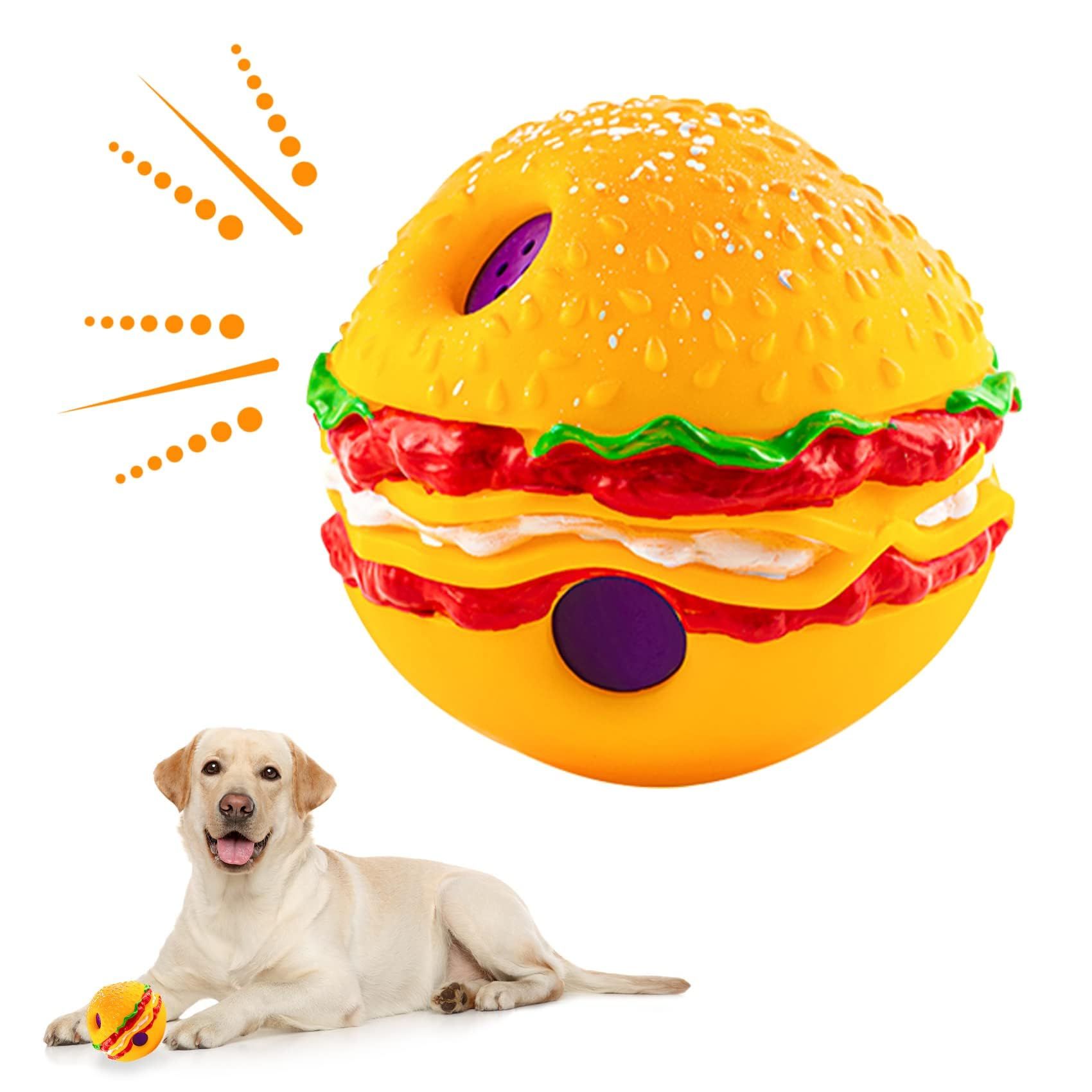
Try a gentle roll of a suitable toy across a clear floor, or invite your dog to investigate a toy and reward calm engagement. A wobbling giggle ball for dogs is one option for a supervised play session if your dog enjoys moving toys and is comfortable with sounds. Start by presenting it without pressure; some dogs prefer quieter games.
Check any toy's size and condition before play. Supervise new toys, and put them away if your dog starts pulling pieces off or attempting to swallow them. Avoid slippery floors and vigorous indoor chasing where there is little room to stop.
Make problem-solving optional, not frustrating
A dog food puzzle toy can offer a different way to present a small portion of the day's food. Begin with an easy setup while you watch, so your dog can reach the food without a struggle. If they walk away or become frustrated, simplify the task or switch to an open-floor search. A puzzle is only one activity, not a substitute for walks, social contact or exercise when conditions allow.
Finish with training and downtime
Practise an easy cue your dog already knows for a minute or two, rewarding a comfortable response. A calm hand-target game or a few steps of following you can work in a small space. Then offer a quiet place to settle and let your dog choose to rest. Rotate activities across rainy days rather than presenting every toy at once.
If your dog shows a sudden change in behaviour, seems painful, or cannot settle despite a suitable routine, contact a qualified veterinarian. On the next suitable day, return to the outdoor activities your dog enjoys; indoor games complement, rather than replace, their broader needs.
Share this article