Puppy pee pads can be useful when you cannot supervise every moment or your puppy cannot yet reliably reach an outdoor toilet spot. They are a temporary training aid if your goal is outdoor toileting, not a substitute for regular breaks, supervision or rewards. Decide where you want your dog to toilet in the long run, then keep your routine consistent.
When might a pad help?
Young puppies are still developing bladder control, so accidents are normal. A designated indoor pad may be helpful while you arrange regular outdoor trips or when you must leave a puppy for a period they cannot reasonably wait through. If you need to leave for longer, arrange someone to offer a toilet break where possible. An indoor toilet spot can also be a deliberate longer-term choice for some households; in that case, teach it as a consistent location rather than moving pads around without a plan.
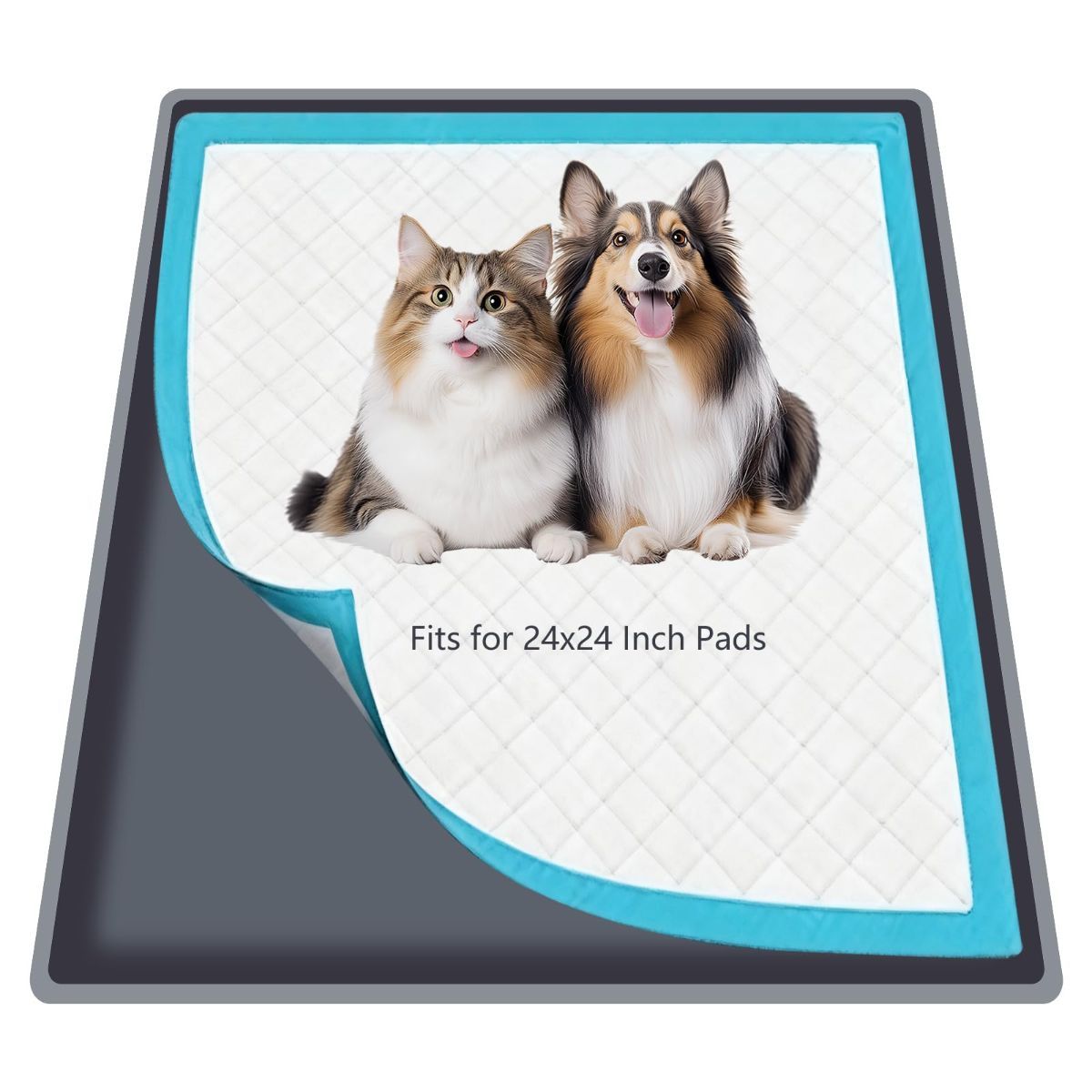
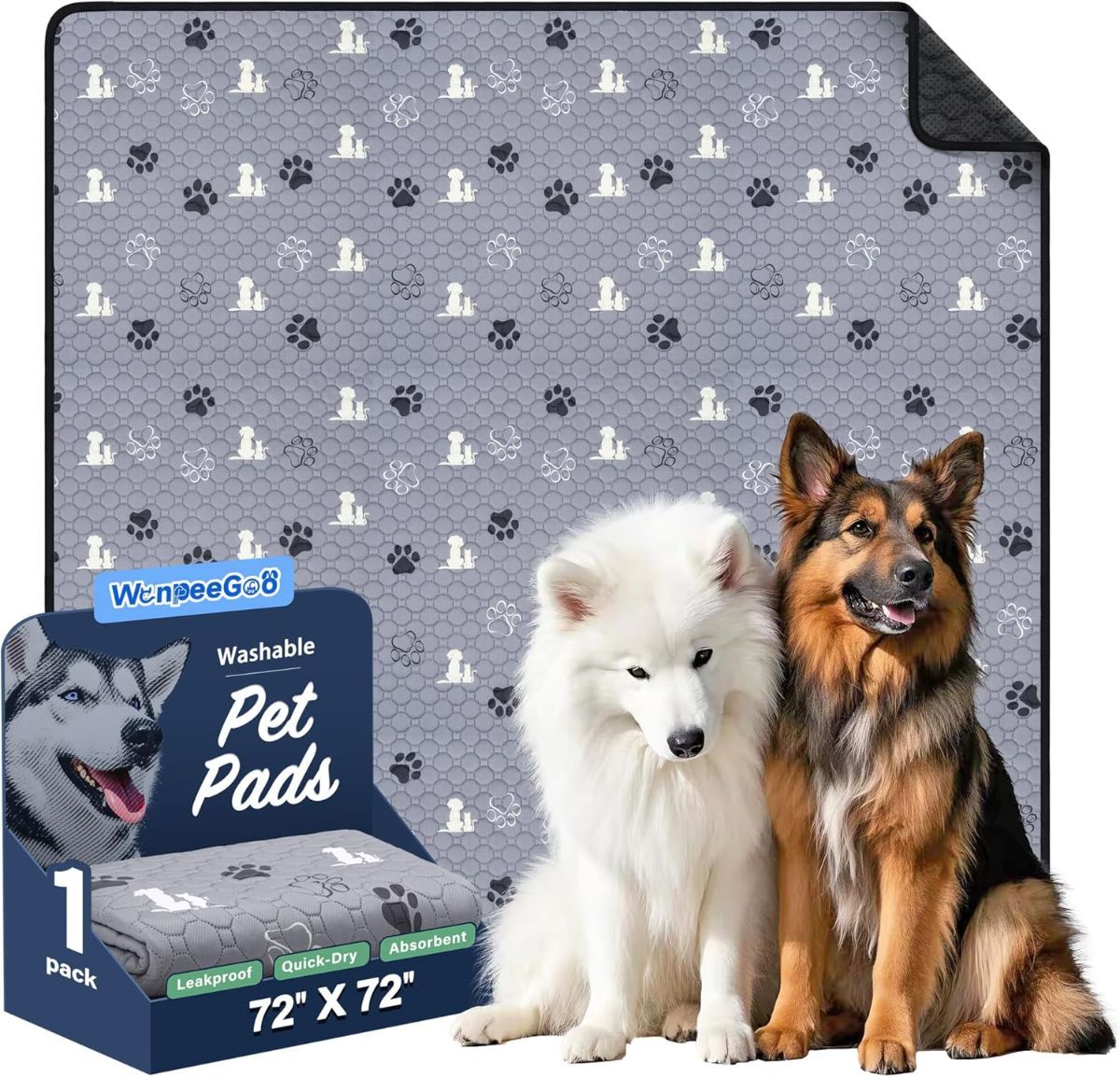
A washable dog pee pad is one reusable option for a designated indoor spot or a playpen. Its washable design makes it practical to rotate into a cleaning routine. Check the product's size against your available space; a pad does not teach a puppy where to go without your guidance.
Set up one clear toilet area
- Choose an accessible, easy-to-clean place and keep the pad in the same location while your puppy learns.
- If using a playpen, leave a separate dry resting area and access to fresh water; do not expect a puppy to remain clean in a space with no suitable toilet option for longer than they can manage.
- Take your puppy to the chosen toilet area after waking, after meals and play, and whenever you notice sniffing, circling or restlessness. Offer frequent chances throughout the day.
- As soon as they finish toileting in the right place, praise and reward them there. If the goal is outdoor toileting, prioritise taking them outside and rewarding there.
What if your puppy misses the pad?
Clean accidents calmly and thoroughly with a pet-safe, non-ammonia cleaner suitable for the surface. Do not punish or rub your puppy's nose in an accident: that does not teach the right location and may make them reluctant to toilet near you. Increase supervision and opportunities to visit the correct spot instead. Clean or replace a soiled pad promptly according to its care instructions, and keep the puppy's resting area dry.
How do you move from pads to outdoors?
If outdoor toileting is the goal, make the outside spot easy to reach and take your puppy there often, especially at the predictable times above. Go with them, wait calmly and reward immediately after they finish outside. As outdoor successes become reliable and your puppy develops better control, reduce reliance on the indoor pad rather than assuming they will stop using it on their own. Keep providing suitable toilet access whenever you are away.
A sudden change in toileting habits in a previously trained dog, pain, straining or other concerning symptoms needs a veterinarian's advice; adding more pads is not a diagnosis or treatment.
Consistency and patience matter more than the type of pad. Use one only where it supports your household's toilet-training plan, and adjust the plan to your puppy's progress rather than punishing mistakes.
Share this article