For the first few days with a newly adopted adult dog, aim for a quiet, predictable home rather than a full programme of introductions and outings. Give them an undisturbed place to rest, easy access to water and toilet breaks, and time to approach people on their own terms. Adjust the pace to the individual dog and any advice from their rehoming organisation.
Before your dog arrives
Ask the rehoming organisation what food and routine your dog already knows, whether they have particular fears, and whether any veterinary care or medication needs continuing. Set aside a calm area away from busy doorways and household noise. Put a comfortable bed there with water nearby, and agree that everyone in the household will leave the dog alone when they retreat to it.
Check for accessible medicines, electrical cords and other hazards, and make sure exits and the yard are secure. Plan where the dog can eat and toilet. If you have resident pets, prepare separate resting areas and seek a careful introduction plan rather than letting everyone meet at the front door.
On arrival: keep choices simple
Take your dog to their toilet area and then allow them to explore a manageable, supervised part of the home at their own pace. Show them their resting place without pushing them onto the bed or closing them in. Some dogs seek company quickly; others need distance. Avoid visitors and crowded outings while you learn what helps this dog feel comfortable.
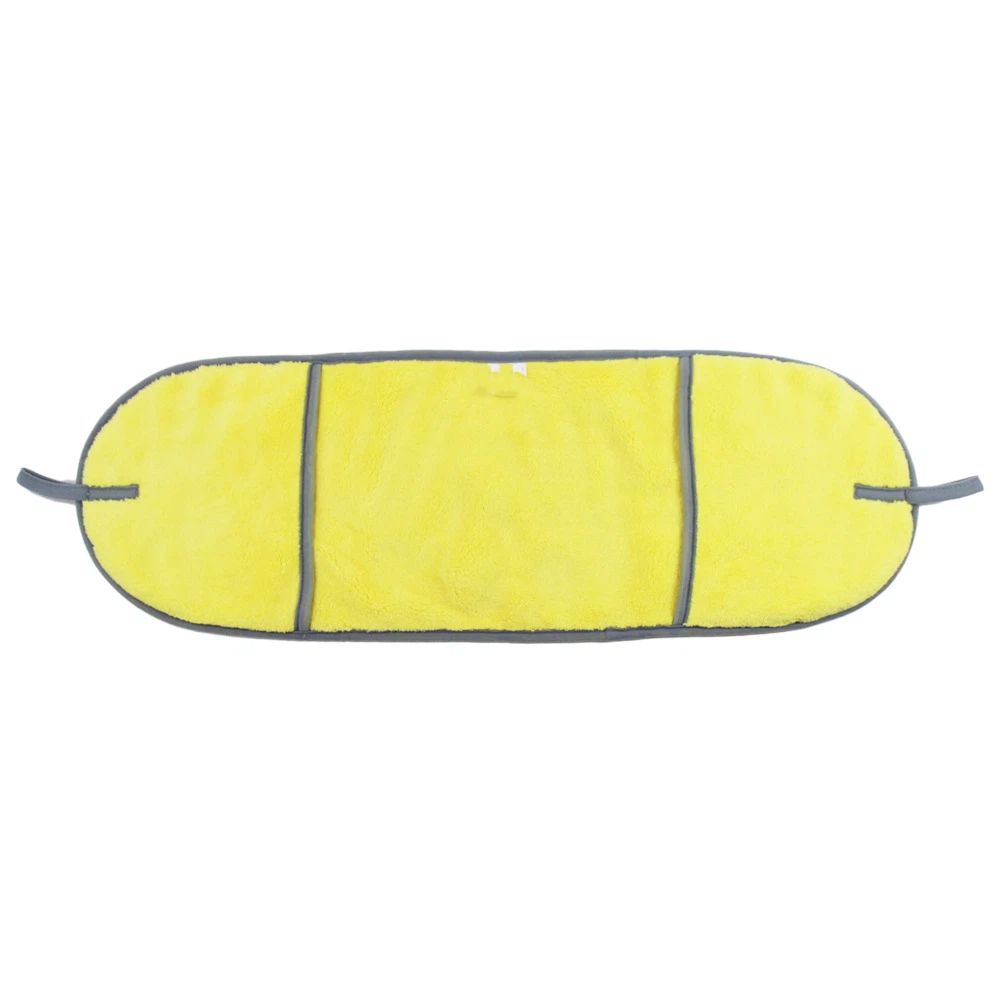
A bed is useful as an optional retreat, not a way to make a dog settle on command. For a small or medium dog, the removable, washable banana-shaped pet bed in the listed 78 × 40 cm size is one possible resting spot. Check your dog's own measurements and whether they can lie comfortably in the usable space before choosing it; the listing's size alone cannot establish fit. A familiar blanket or an existing suitable bed may be preferable if your dog already has one.
Build a gentle first-days routine
- Offer meals and toilet opportunities at predictable times, starting with the food and feeding advice your dog already knows. Ask your vet before changing a prescribed diet.
- Keep initial walks short and familiar, with a secure lead and supervision; allow time to sniff without insisting on greetings with strangers or dogs.
- Let your dog choose whether to come over for contact. If they move away, stiffen or avoid interaction, give them space rather than following or forcing a pat.
- Make rest genuinely undisturbed. Children should not enter the dog's resting area, and interactions between children and dogs need adult supervision.
- Keep a brief note of eating, toileting, sleep and behaviour so you can notice changes and share useful details with your vet or rehoming organisation.
What about the first night?
Make the sleeping area comfortable, accessible and away from hazards and startling noise. Introduce the bed during the day. If your dog seems distressed when left alone, do not assume they are being difficult: ask the rehoming organisation or a qualified behaviour professional for an individual plan. Give them time to adjust rather than expecting one peaceful night to prove they are fully settled.
When to get help
Arrange a veterinary check to discuss ongoing care and any concerns from the adoption handover. Contact a veterinarian promptly if your dog appears unwell, refuses food or water, has persistent vomiting or diarrhoea, or shows a sudden marked change in behaviour. For persistent fear or difficulty settling, seek advice from your vet and a qualified, reward-based behaviour professional.
A calm start is not about doing everything in one day. Protect rest, follow a manageable routine and let your dog's responses guide what comes next.
Share this article