
To play fetch with your dog, start with a toy they can comfortably carry, make the first toss short, and reward them for coming back. Keep the game brief and let your dog opt out. Fetch should be an enjoyable activity together, not an endurance test.
Choose a toy for your dog, not just the game
Check that the toy is large enough that your dog cannot swallow it, yet comfortable to pick up and carry. Look for damage, loose parts or sharp edges before each session. RSPCA Australia advises choosing enrichment items to suit an individual pet’s size, age, health and play style, supervising play and inspecting toys regularly.
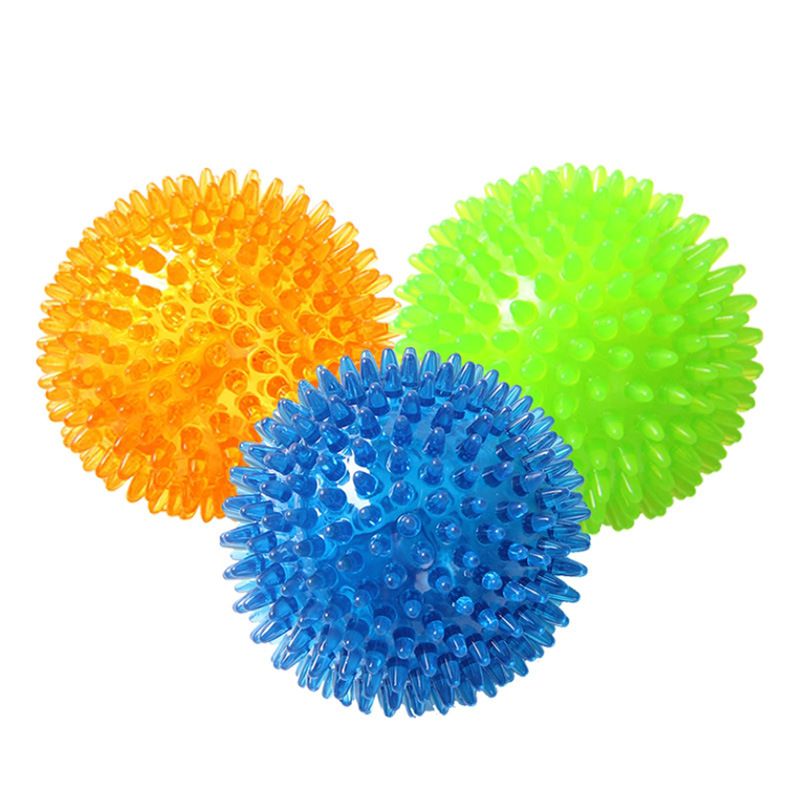
For dogs that enjoy chasing balls, this three-pack of small rubber squeaky fetch balls is one option to assess against your dog’s mouth size and chewing habits. A dog that prefers a different shape might enjoy a short, supervised toss with the AMOOR plush squeaky frisbee toy. Neither is suitable for every dog: put a toy away if your dog starts pulling off or swallowing pieces, and do not leave a soft toy with an unsupervised chewer.
Teach the return before throwing farther
- Begin in a quiet, enclosed area. Show the toy and offer a very short toss or roll on the ground.
- When your dog picks it up, invite them back in a cheerful voice. Praise or offer a small reward for returning; avoid chasing them to take the toy.
- Offer a treat or a second toy to encourage a willing release. If they are reluctant, practise the exchange separately rather than pulling the toy from their mouth.
- Repeat only while your dog is interested. Gradually vary the distance if they are comfortable, keeping the landing area clear.
If your dog is not interested in retrieving, that is fine. A sniffing game or gentle play together can be a better fit. RSPCA Australia notes that enrichment should reflect an individual animal’s preferences, rather than relying on the same activity every day.
Keep sessions comfortable and supervised
Choose a safe surface with room to turn, and avoid throwing towards roads, other animals or obstacles. Give your dog chances to pause and drink. On a hot Australian day, move play to a cooler time or choose a quieter activity. Stop if your dog seems tired, distressed or unwilling to continue; speak with a veterinarian if they limp, appear painful or have breathing difficulty.
Finish with a calm exchange for the toy and check it for wear. Short, enjoyable rounds and a toy that genuinely suits your dog are more useful than trying to make every dog play the same way.
Share this article


